Investigating the Merits of Using Bulk Haulage for Moving Your Goods
Bulk haulage is a key strategy for organizations striving to optimize their shipping logistics. When combining loads, companies can achieve substantial reductions in cost and lower their impact on the environment. Moreover, bulk transport ensures enhanced trustworthiness and versatility in delivery schedules - Illinois top rated Bulk Trucking. Since the environment of transport operations develop, grasping the specifics of bulk freight transport is critical for maintaining a competitive edge. What further benefits might this method show for today's organizations?
Lowering Costs Using Economies of Scale
Despite many firms face rising transportation costs, this method delivers significant cost savings through the principle of scale efficiency. Through the grouping of deliveries, companies can reduce the per-unit cost of transportation, as greater volumes enable optimized resource deployment such as workers and gasoline. This efficiency translates to lower overall expenses, making bulk trucking an attractive option for firms aiming to improve their transport operations.
Moreover, this method decreases the frequency of trips required, which results in additional cost reduction associated with fleet servicing and labor costs. Businesses are able to secure improved pricing with haulers when agreeing to bigger loads, allowing them to gain from decreased transport costs. Consequently, firms may dedicate their cost reductions towards other operational areas, enhancing their competitive edge. In the end, bulk haulage's cost benefits position it as a smart decision for businesses striving for better financial results while keeping logistics running smoothly.
Minimizing Environmental Harm
Bulk transport significantly helps achieve a smaller environmental toll, making it an eco-friendly choice for transportation. Through the grouping of loads, bulk transport reduces the amount of journeys needed to ship items, which thereby reduces fuel consumption and greenhouse gas emissions. This efficient method of shipping bulk items means jump in less trucks are needed for transport, lessening traffic jams and wear on infrastructure.
Additionally, many bulk trucking companies are moving toward environmentally friendly operations, such as using trucks that save gas and streamlining delivery routes to further decrease their carbon footprint. Employing modern technology in logistics helps in checking carbon output and boosting operational performance. With businesses increasingly prioritizing environmental responsibility, opting for bulk trucking not only aids environmental programs and aligns with their corporate responsibility aims. In this way, bulk trucking serves as a practical solution for companies seeking to lessen their environmental impact while still meeting their transportation needs.
Better Transit Times and Trustworthiness
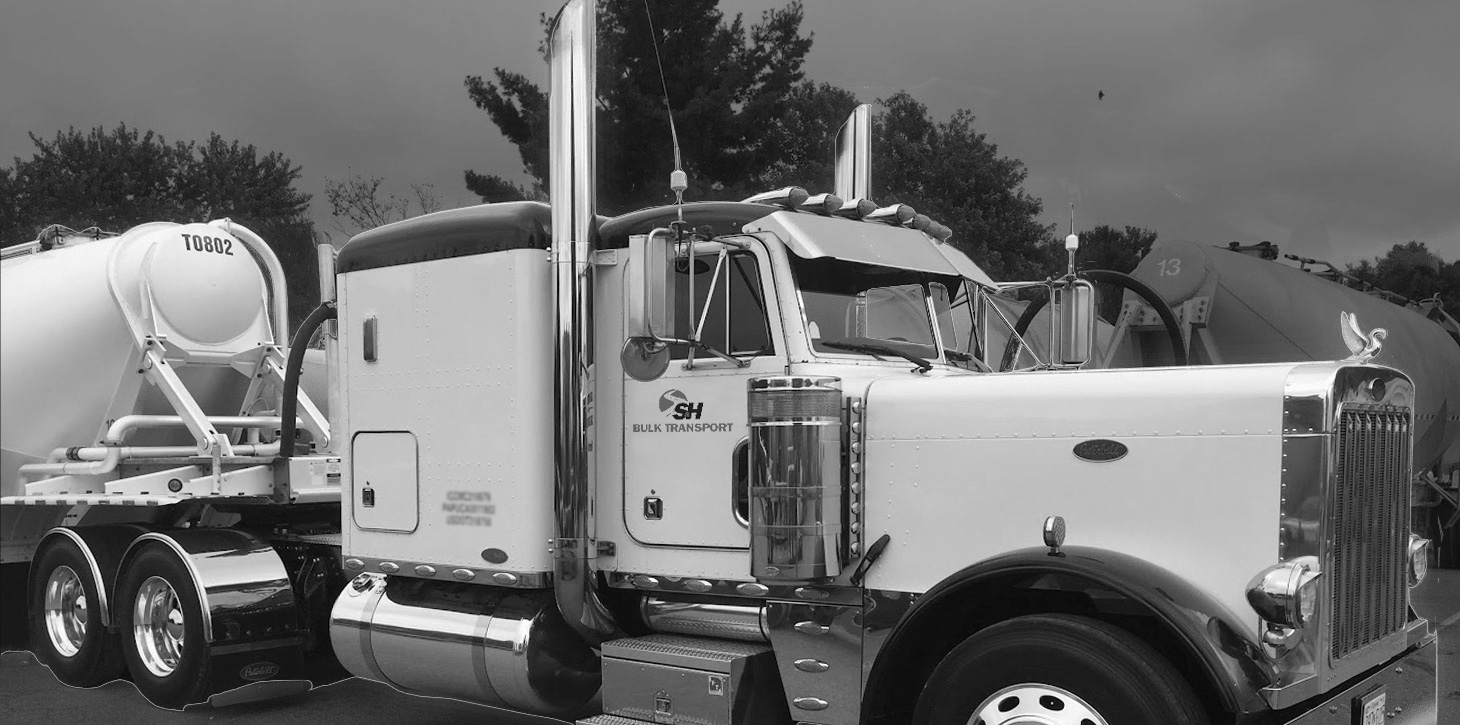
When businesses opt for bulk transport for moving their goods, they usually benefit from better transit times and enhanced reliability. This shipping method is built to effectively manage high volumes of products, decreasing the total number of hauls. By grouping deliveries, companies can minimize delays associated with loading and unloading, resulting in quicker delivery speeds.
In addition, bulk hauling generally makes fewer pauses, thereby optimizing the transit procedure. Many bulk trucking companies utilize advanced logistics and tracking technologies, giving instant information which boosts openness and dependability. Having this visibility enables companies to plan efficiently, ensuring that products arrive on schedule.
In addition, bulk hauling's consistency is supported by skilled drivers and regularly maintained equipment, minimizing the chance of mechanical failures or holdups. Therefore, businesses can rely on bulk transport providers to meet their shipping deadlines consistently, which ultimately boosts client happiness and reinforcing business relationships.
Greater Cargo Capacity and Versatility
Although many shipping methods restrict cargo volume, bulk transport provides greater hauling volume allowing firms to ship significant volumes of materials in a single haul. This capacity proves highly useful for industries requiring the movement of large volumes, like construction, agriculture, and mining. With specialized vehicles designed for bulk materials, companies can streamline their transport operations, cutting down the journeys required to ship products.
Furthermore, bulk hauling allows adaptability in cargo setup, handling different kinds of materials, such as powders, grains, and liquids. This flexibility helps firms adjust to evolving needs and efficiently manage their supply chain without compromising on capacity. By utilizing the greater volume and adaptability of bulk transport, companies can optimize their processes, reduce shipping expenses and ensure a more dependable shipping procedure. In the end, this method provides an effective solution for businesses looking to optimize transport effectiveness and meet customer expectations.
Better Management of the Supply Chain
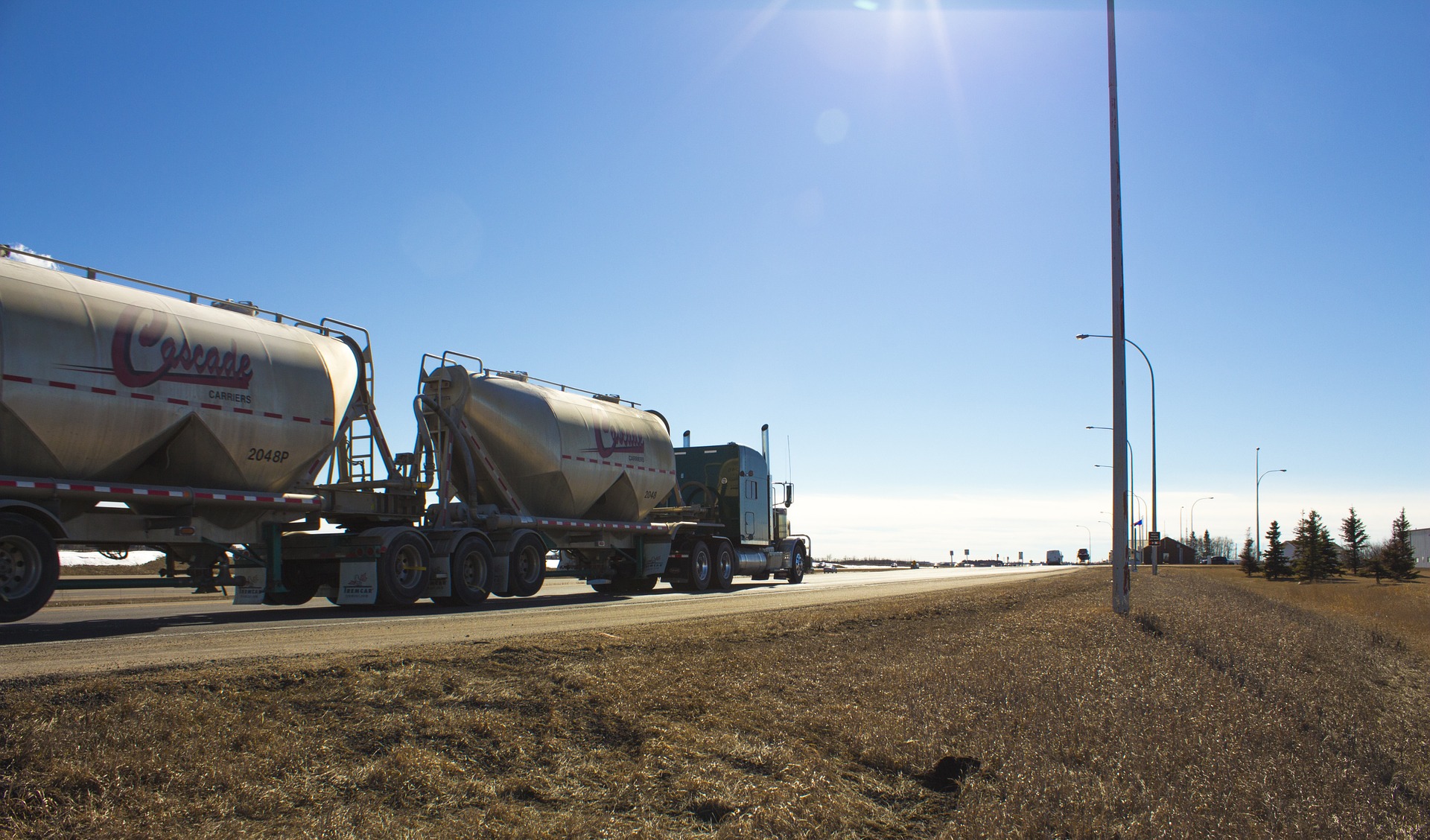
Better supply chain management becomes increasingly achievable with the integration of large-scale transport into transport processes. By combining loads, businesses can lower shipping expenses and speed up delivery. Bulk trucking allows for the shipping of more products in less journeys, minimizing the complexity involved in numerous deliveries. This streamlining allows for superior warehouse organization, as companies can receive and distribute products much faster.
In addition, bulk trucking enhances communication and coordination among SCM stakeholders. With less transporters utilized, monitoring deliveries is easier, which provides greater clarity and more rapid responses to emerging difficulties. The trustworthiness of bulk trucking also guarantees that goods arrive at their destinations in optimal state, minimizing the possibility of transit issues. In conclusion, integrating bulk trucking into logistics planning fosters a more cohesive and efficient logistics framework, helping companies and their clientele equally.
Questions and Answers
What Cargo Is Most Appropriate for Bulk Trucking?
Large-scale hauling is best for transporting large quantities of goods such as agricultural products, raw materials, industrial compounds, and groceries. These goods profit from efficient, cost-effective shipping methods, minimizing manipulation and minimizing overall transportation costs.
Where Can I Locate a Reliable Bulk Trucking Provider?
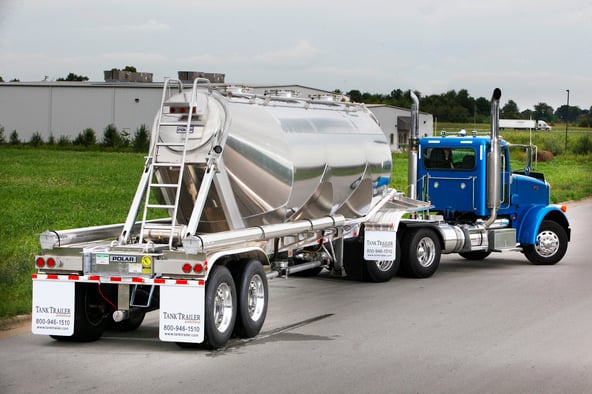
To find a reliable bulk trucking provider, one should research online reviews, solicit advice from other businesses, evaluate certifications, and review pricing proposals - Illinois top rated Bulk Trucking. Furthermore, checking the hauler's background and vehicle resources is essential for selecting wisely
What Is the Average Transit Time for Mass Deliveries?
The standard shipping duration for bulk shipments usually falls between 24 to 72 hours, based on the mileage, road quality, and the kind of goods. Fluctuations in these conditions can significantly alter transit times.
Do Weight Limits Apply for Large Cargo Deliveries?
Absolutely, bulk trucking loads typically have weight restrictions, which differ by region and vehicle type. Illinois top rated Bulk Trucking. Statutes provide adherence and security, often limiting loads to roughly 40 tons for conventional transport on major roads
Can Bulk Trucking Handle Temperature-Sensitive Shipments?
Yes, bulk trucking can accommodate temperature-sensitive shipments by utilizing specialized equipment, including temperature-controlled vans. This ability ensures that sensitive products keep their required temperatures during transit, protecting their condition and quality.