A Guide to Bulk Trucking: Crucial Services for Optimized Freight Transport
Bulk trucking serves as a vital element in the logistics of transporting large volumes of goods. It covers multiple industries, guaranteeing that supplies are moved promptly and economically. By employing specific transporters, this service reduces the hazards involved in handling and boosts delivery swiftness. Nevertheless, the environment of bulk trucking is evolving. Understanding its nuances can shed light on its increasing importance in today's logistics networks. Which elements lead to its success?
Defining Bulk Trucking?
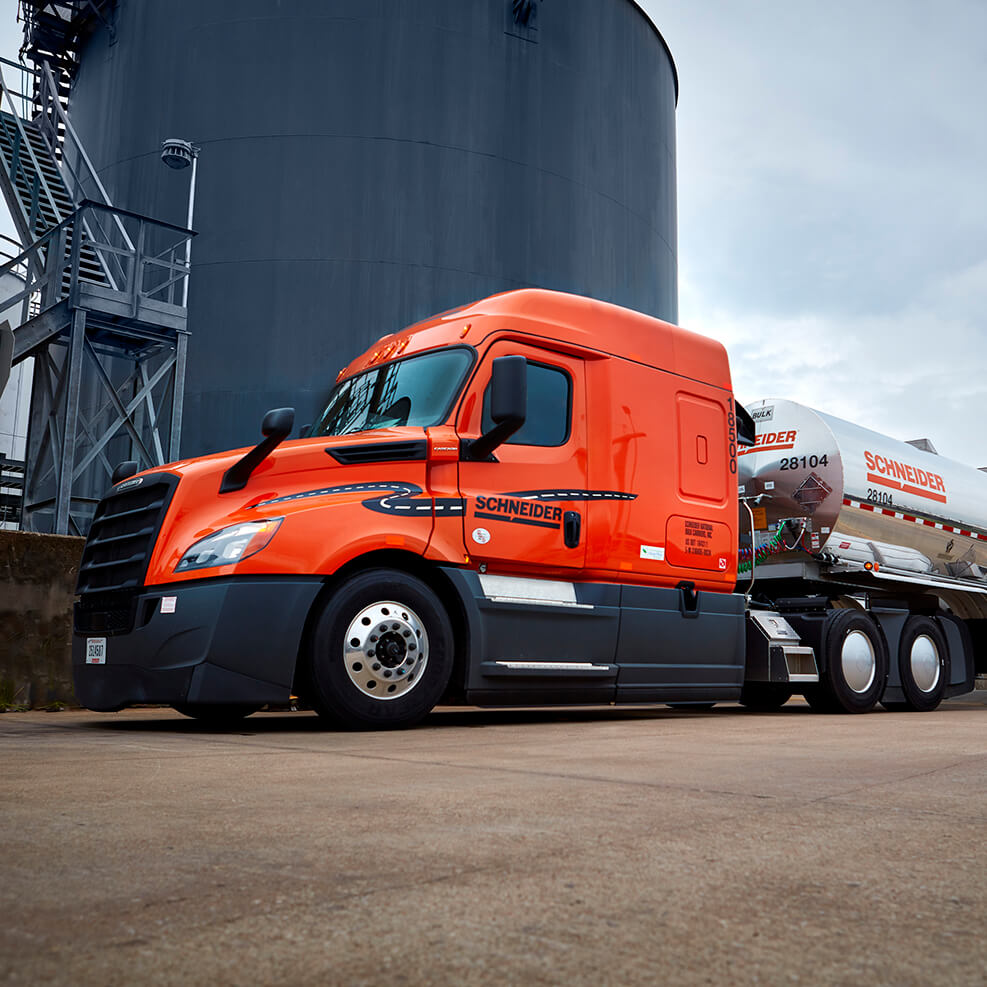
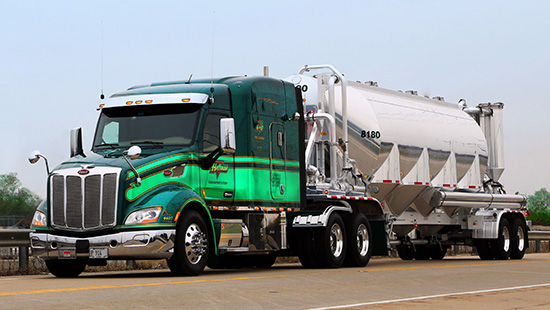
Bulk trucking refers to the hauling of massive amounts of goods, usually in liquid or granular state, using specialized vehicles. This method is crucial for industries that need the transfer of significant cargo, such as agriculture, chemicals, and construction. Bulk trucks, such as tankers for fluids and hopper trucks for dry materials, are engineered to optimally control and haul these bulk materials.
The logistics of bulk trucking require meticulous organization and coordination, guaranteeing the correct transporter is applied to particular goods to prevent contamination and damage. In addition, standards controlling bulk hauling require adherence to safety standards, particularly for hazardous materials.
Bulk read the full story hauling is instrumental in the supply chain, aiding the quick movement of necessary supplies while optimizing costs linked to hauling. By employing this technique, businesses can optimize their processes, ensuring a steady flow of materials needed for output and related activities.
Key Benefits of Bulk Trucking
While many transportation methods exist, bulk trucking delivers specific upsides that can significantly improve workflow effectiveness for multiple businesses. A key upside is cost efficiency; bulk trucking typically lowers the cost per unit shipped because of the capacity to move massive quantities at once. This efficiency translates into lower overall transportation expenses, making it an attractive option for businesses.
Moreover, bulk hauling delivers versatility in planning and navigation, allowing companies to adapt quickly to changing demands. The potential to carry a wide range of freight, ranging from raw materials to finished products, significantly increases its attractiveness.
Moreover, bulk trucking can improve delivery speed, as optimized processes and direct routes cut down on travel time. Improved load management also results in less handling, lowering the risk of harm while moving cargo. In summary, these key benefits establish bulk trucking as an essential logistics solution for industries seeking reliability and efficiency in their supply chains.
Types of Bulk Cargo Transported
A wide range of industries utilize bulk trucking to transport a wide range of cargo types. One of the most common categories includes farm produce, like grains, fertilizers, and animal feed. These items are generally shipped in large quantities, necessitating specialized bulk trucks designed for quick and easy loading and unloading.
Additionally, construction materials such as sand, gravel, and cement are commonly moved using bulk trucking services. These materials are essential for various construction projects and demand on-time delivery to maintain project schedules.
Chemical products, such as liquid and dry chemicals, also represent a major segment of bulk cargo. This cargo requires meticulous handling and adherence with safety regulations while being moved.
In addition, food products, including sugar and flour, are transported in bulk to satisfy manufacturing and distribution needs. In conclusion, the range of bulk cargo demonstrates the flexibility and value of bulk trucking in aiding diverse economic sectors.
Technology in Bulk Trucking
How has technology transformed the landscape of bulk trucking? The use of advanced technology has greatly enhanced operational efficiency and safety within the bulk trucking industry. GPS tracking systems enable live tracking of cargo and vehicles, leading to timely deliveries and improved route planning. Additionally, telematics has become a vital tool, offering key data regarding vehicle performance, fuel consumption, and driver behavior, ultimately leading to cost savings and reduced environmental impact
(Illinois top rated Bulk Trucking)Furthermore, automated systems for inventory management make loading and unloading processes more efficient, cutting down on delays and boosting productivity. Modern communication systems also play a significant role, joining drivers, fleet managers, and clients effortlessly. The ability to connect promotes openness and improves client support by providing accurate updates on the delivery progress. With the ongoing evolution of the sector, such technological progress will further reshape bulk trucking, pioneering new methods and raising the standard of service in a competitive market
How to Pick the Best Bulk Transport Company
Selecting the appropriate bulk trucking service is vital for businesses seeking to streamline their supply chain. Businesses must start by reviewing their particular material demands, such as the kind of goods being hauled and the quantity. Examining the transport company's background in dealing with like deliveries can provide insight on their capacity.
Furthermore, businesses should consider the provider's area of operation, ensuring that the trucking company can promptly get to the planned endpoints. A second key consideration involves the company's safety performance and adherence to sector rules, that heavily affects overall service reliability.
The expense is another crucial element; however, businesses should weigh pricing against service quality so as not to sacrifice on essential elements. In conclusion, customer service and how they communicate are critically important in maintaining transparency throughout the shipping process. By thoroughly examining these factors, businesses are able to choose a bulk transport provider that matches their business requirements and goals.
Commonly Asked Queries
What Expenses Are Usually Involved For Bulk Transport Services?
Standard expenses for bulk transport comprise the cost of fuel, driver wages, repair costs, insurance, and tolls. In addition, fees might change depending on the mileage, the kind of freight, and sector needs, impacting overall pricing structures.
How Do I Prepare My Cargo for Bulk Trucking?
To ready your load for bulk transport, ensure adequate wrapping, make sure the cargo is fixed, confirm weight restrictions, and mark the items distinctly. Furthermore, check for any wear and tear and adhere to safety rules to allow for smooth transit and arrival.
Which Safety Rules Govern to Bulk Trucking?
Safety regulations for bulk trucking include maintaining legal weight boundaries, adequate load securement, following hazmat protocols, regular vehicle inspections, and driver training requirements to ensure secure transport and lower the risk of mishaps. - Illinois top rated Bulk Trucking
- Illinois top rated Bulk Trucking
How Do Bulk Haulers Address Transportation Delays?
Bulk trucking companies manage delays by communicating proactively with clients, modifying timelines, and rerouting loads as needed. They also employ technological tools to keep tabs on loads, providing real-time information and minimizing disruptions to the supply chain.
Can Bulk Trucking Accommodate International Shipping?
Certainly, bulk transport supports global shipping by partnering with logistics providers and using purpose-built vehicles. These companies ensure adherence to global standards, facilitating seamless cross-border transport for various bulk commodities while maintaining efficiency and safety.