Understanding Bulk Trucking: Crucial Services for Streamlined Cargo Delivery
Bulk hauling acts as a vital element in the supply chain management of moving massive quantities of freight. It spans numerous sectors, guaranteeing that supplies are moved promptly and cost-effectively. By employing specific transporters, this service minimizes the risks associated with handling and improves transport velocity. Yet, the domain of bulk trucking is evolving. Grasping its complexities can provide insights into its rising relevance in today's logistics networks. Which elements lead to its success?
Bulk Trucking Explained?
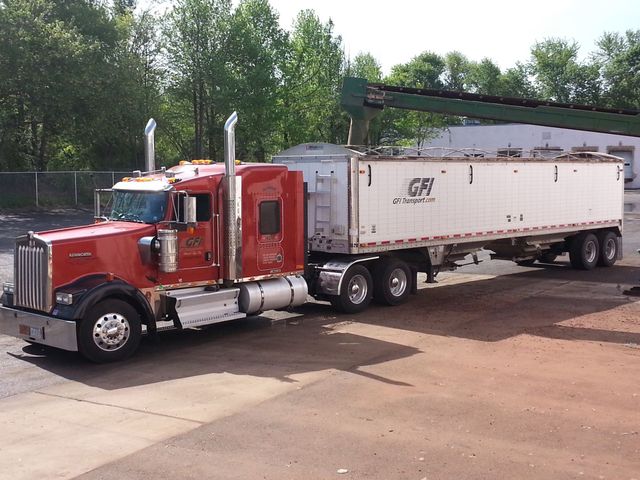
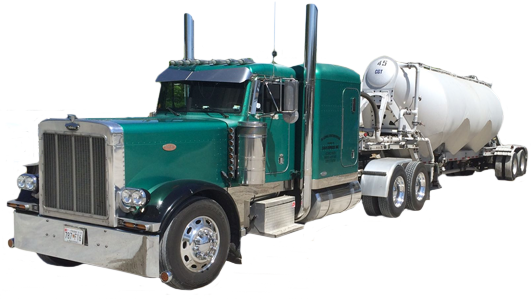
Bulk trucking refers to the movement of substantial volumes of goods, most often as liquids or dry materials, with the aid of specific transporters. This method is crucial for industries needing the transportation of substantial loads, such as agriculture, chemicals, and construction. Bulk trucks, such as tankers for fluids and hoppers for granular goods, are engineered to optimally control and move these bulk goods.
The coordination of bulk hauling demand precise preparation and coordination, ensuring that the right vehicle is applied to particular goods to avoid spoilage and harm. In addition, standards controlling bulk hauling necessitate following safety protocols, specifically regarding risky substances.
Bulk transport is a key factor in the supply chain, aiding the quick movement of necessary supplies while optimizing costs related to transport. By employing this technique, businesses can streamline their operations, securing an uninterrupted movement of materials required for manufacturing and related activities.
Key Benefits of Bulk Trucking
While many transportation methods exist, bulk trucking offers distinct advantages that can significantly improve workflow effectiveness for various industries. One significant benefit is cost-effectiveness; bulk trucking typically lowers the cost per unit shipped due to the ability to transport large volumes simultaneously. This efficiency translates into lower overall transportation expenses, establishing it as a compelling alternative for businesses.
Additionally, bulk trucking provides flexibility in timing and pathfinding, allowing companies to adapt quickly to changing demands. The potential to move various kinds of cargo, including raw materials and consumer goods, further broadens its appeal.
Moreover, bulk trucking can improve delivery speed, as optimized processes and direct routes minimize transit times. Better management of loads also results in less handling, lowering the risk of harm in transit. In summary, these key benefits establish bulk trucking as an essential logistics solution for industries demanding reliability and efficiency in their supply chains.
Types of Bulk Cargo Transported
Multiple sectors depend on bulk trucking to move diverse categories of freight. One of the most common categories includes agricultural products, including grains, fertilizers, and animal feed. These goods are typically transported in high volumes, meaning specialized bulk trucks are needed designed for efficient loading and unloading.
In addition, construction materials like sand, gravel, and cement are frequently moved using bulk trucking services. This cargo is vital for various construction projects and require timely delivery to ensure projects stay on track.
Chemical products, such as liquid and dry chemicals, also make up a large part of bulk cargo. This cargo requires prudent handling and compliance with safety regulations during transport.
In addition, food products, like sugar and flour, are transported in bulk to fulfill manufacturing and distribution requirements. In conclusion, the diversity of bulk cargo types highlights the versatility and significance of bulk trucking in helping various parts of the economy.
Technology in Bulk Trucking
How has technology revolutionized the bulk trucking industry? Incorporating advanced technologies has significantly improved efficiency and safety within the bulk trucking industry. GPS tracking allows for monitoring cargo and vehicle locations in real-time, leading to timely deliveries and improved route planning. Additionally, telematics has become a vital tool, offering key data regarding vehicle performance, fuel consumption, and driver behavior, which ultimately results in cost savings and reduced environmental impact
(Illinois top rated Bulk Trucking)Moreover, automated systems for inventory management streamline loading and unloading processes, minimizing delays and maximizing productivity. Modern communication systems are vitally important, linking drivers, fleet supervisors, and customers smoothly. The ability to connect fosters transparency and enhances customer service through offering precise information on shipment status. As the industry continues to evolve, such technological progress will further reshape bulk trucking, fostering new ideas and improving service quality in a highly competitive space
How to Pick the Best Bulk Transport Company
Picking the ideal bulk hauling company is crucial for firms aiming to optimize their logistics operations. Firms ought to commence by reviewing their particular material demands, including the type of materials being transported and the quantity. Reviewing the trucking provider's experience in handling similar shipments can shed light on their competence.
Moreover, firms detailed resource need to evaluate the service's operational reach, to verify the transport firm is able to effectively serve the required locations. A further critical element is the copyright's history of safety and adherence to sector rules, that heavily affects the dependability of the service.
The expense is another crucial element; however, businesses should weigh pricing compared to the quality of the work to prevent giving up on critical aspects. Finally, customer support and how they communicate are critically important in preserving openness during the entire delivery operation. By thoroughly examining these factors, firms may pick a bulk hauling partner which fits their functional demands and goals.
Frequently Asked Questions
How Much Does It Usually Cost Associated With Bulk Trucking Services?
Typical costs associated with bulk trucking services comprise the cost of fuel, driver wages, upkeep charges, coverage, and highway charges. Furthermore, pricing can fluctuate depending on the mileage, the kind of freight, and the current demand in the market, impacting overall pricing structures.
How Should I Get My Load Ready for Bulk Transport?
In order to prepare freight for bulk hauling, ensure adequate wrapping, secure load stability, check the maximum allowed weight, and mark the items distinctly. Additionally, inspect for any damage and adhere to safety rules to allow for smooth transit and arrival.
Which Safety Rules Govern in Bulk Transport?
Safety regulations for bulk trucking require maintaining legal weight boundaries, proper securing of cargo, adherence to dangerous goods regulations, regular vehicle inspections, and driver training requirements to facilitate safe transit and lower the risk of mishaps. - Illinois top rated Bulk Trucking
- Illinois top rated Bulk Trucking
What Measures Do Bulk Carriers Take for Delays?
Bulk trucking companies handle setbacks by communicating proactively with clients, modifying timelines, and changing routes when necessary. They also make use of technology to track deliveries, guaranteeing current status reports and minimizing disruptions to the supply chain.
Can Bulk Trucking Accommodate International Shipping?
Bulk trucking is capable of handling international shipments by collaborating with logistics partners and employing appropriate gear. These companies verify conformity with foreign laws, allowing for easy transit across borders for various bulk commodities while upholding security and effectiveness.